
Technical Diagnosis
How infrared thermography works for building facades, what it detects, and why the findings matter for residential building communities.
How infrared thermography works
Infrared thermography is a non-contact measurement technique that captures the thermal radiation emitted by surfaces. Every material with a temperature above absolute zero emits infrared radiation — the amount and wavelength of this radiation varies with surface temperature.
A radiometric infrared camera converts this thermal radiation into a temperature map — a visual image where each pixel represents a measured surface temperature value. When a building facade is scanned under appropriate conditions, areas with different thermal properties appear as distinct temperature zones in the image.
Heat naturally flows from warmer areas to cooler ones. In winter, heated interior spaces lose heat to the cold exterior through the building envelope. Where the envelope has weaknesses — missing insulation, conductive elements, or gaps — more heat passes through, creating warmer exterior surface temperatures at those locations. These appear as brighter zones in the infrared image.
In summer, the process reverses: solar-heated exterior surfaces transmit heat inward more readily where insulation is deficient, creating warmer interior surface temperatures at those zones. Infrared imaging captures both conditions.
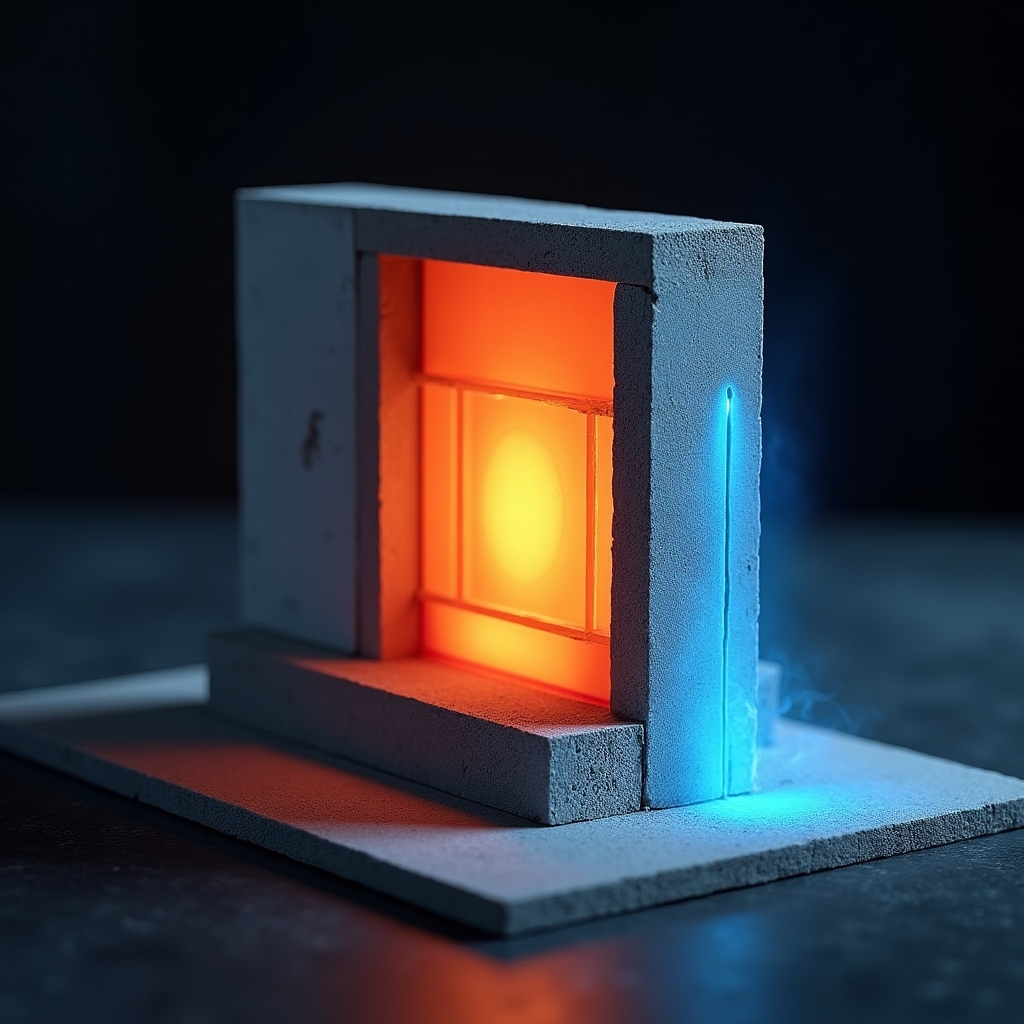
Key condition: For reliable thermal anomaly detection, a minimum temperature differential of approximately 10°C between interior and exterior is needed. This is why winter surveys in Chile's central and southern regions typically produce the most informative results.
Types of thermal anomalies
The following categories of thermal anomaly are commonly identified in residential building facades in Chile through infrared thermography.
Thermal Bridges in Structural Elements
Concrete columns, beams, and floor slabs that penetrate or contact the building exterior create pathways of high thermal conductance. These structural thermal bridges are particularly common in Chilean residential construction from the 1980s through 2000s, where insulation continuity across structural elements was not a design requirement. They appear in the infrared image as linear or planar zones of elevated exterior surface temperature in winter.
Window Frame and Seal Anomalies
Window frames conduct heat more readily than well-insulated wall sections. Deteriorated perimeter seals between the frame and the surrounding wall create air infiltration pathways that are clearly visible in thermal images as cold peripheral zones around the window in winter. Single-glazed windows also show significantly higher heat transmission than double-glazed units, visible as warmer glass surfaces in winter scans.
Insulation Deficiencies
Areas where insulation is absent, has been compressed by construction loads, or was incorrectly installed show as zones of higher thermal conductance. In facade systems with external insulation, gaps between insulation panels or around penetrations are particularly common. These appear as irregular warm patches in the winter thermal image that do not correspond to structural elements or window positions.
Moisture and Infiltration Indicators
Water-saturated building materials have different thermal properties than dry materials. Areas of moisture infiltration often appear as irregular cool zones in daytime thermal images, particularly after rain, as the water evaporates and cools the surface. While thermography is not a moisture measurement tool, it can indicate areas warranting further investigation for water infiltration.
Balcony and Terrace Connections
Balcony slabs that extend from the heated interior to the exterior are classic thermal bridges. The concrete slab conducts heat directly from the interior floor system to the exterior, creating a pronounced warm linear zone at the balcony connection in winter thermal images. This is one of the most common and significant thermal anomalies in Chilean apartment buildings.
Service Penetration Zones
Locations where pipes, conduits, or other services penetrate the building envelope often lack adequate insulation sealing. These penetrations can create point thermal bridges or air infiltration paths that are detectable in thermal images as localized anomalies on otherwise uniform facade surfaces.
Why drone-based thermal imaging
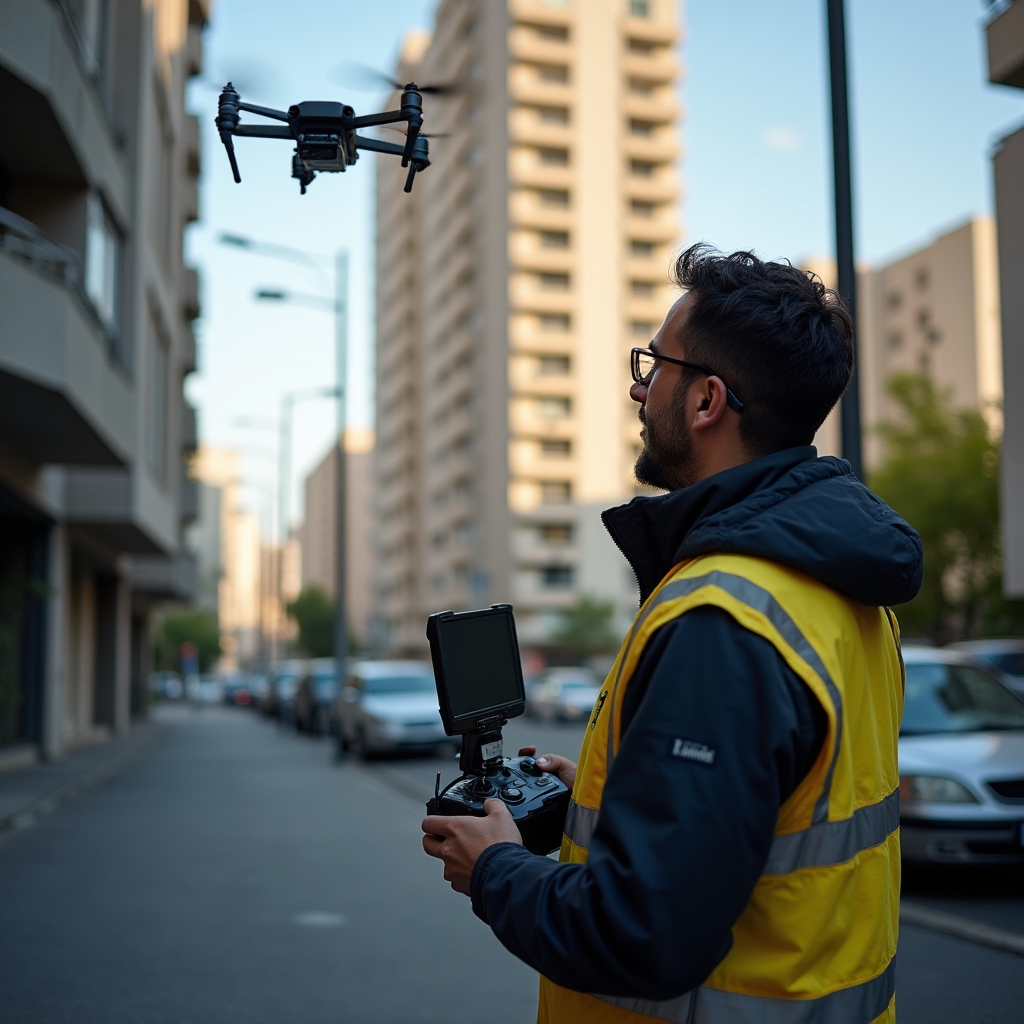
Traditional building thermal surveys require close-range camera positioning, which for multi-story residential buildings means scaffolding, elevated platforms, or limiting the survey to accessible ground-level areas. Drone-based thermography eliminates these constraints.
Ready to see what a thermal survey reveals?
View a sample report to understand the format and depth of findings, or contact us to discuss your building.